Why The Wizard of Oz Still Works for School and Community Stages
By Broadwaytrax Content Studio · April 30, 2026
Updated May 13, 2026
A rehearsal room goes quiet. Someone plays the first familiar bars, and every actor in the room knows exactly where the story is headed: away from Kansas, through danger, toward home. The Wizard of Oz works because it feels simple on the surface and surprisingly demanding in rehearsal. The songs are famous, the characters are vivid, and the audience arrives with strong memories before the overture begins.
That familiarity is the gift and the challenge. Performers cannot hide behind novelty. They need clean storytelling, steady tempo, and arrangements that support the fantasy without rushing past the heart of the show.
Bring "Why The Wizard of Oz Still Works for School and Community Stages" to life with custom tracks
Get the exact arrangement you need—either customize an existing accompaniment or commission a bespoke build from our team.
Don't see this show in our library yet? We'll build it for you.Why The Wizard of Oz still works on stage
The Wizard of Oz gives schools, community theatres, and family audiences a rare mix: a clear journey, recognizable songs, colorful ensemble work, and roles that can stretch young performers without losing accessibility. Dorothy carries the emotional line, but the Scarecrow, Tin Man, Cowardly Lion, Wicked Witch, Glinda, and ensemble all have moments that need sharp musical timing.
The show also sits in a useful production lane. It can be staged with spectacle, but the story still survives when the design is simple. A strong rehearsal process matters more than expensive scenery. If the music is confident, the audience follows the road.
Signature songs and what they ask from performers
"Over the Rainbow" is the emotional center. It needs breath, patience, and honest language. The temptation is to sing it like an anthem from the first phrase. A stronger choice is to let it begin as a private thought, then open gradually.
"If I Only Had a Brain," "If I Only Had a Heart," and "If I Only Had the Nerve" each require character rhythm. The notes are not the whole job. The actor must land the phrasing, physical comedy, and quick shifts in thought without falling out of time.
"We're Off to See the Wizard" is ensemble glue. It looks easy until the cast has to move, sing, and keep the energy buoyant together. Rehearsing with a consistent track can help the company feel the tempo before adding staging traffic.
Audition notes for Dorothy and the featured roles
For Dorothy, choose a cut that shows sincerity before volume. "Over the Rainbow" should reveal a young person imagining another life, not a singer proving a high note. Keep vowels clean, avoid over-stylized riffs, and let the final phrase feel earned.
For Scarecrow, Tin Man, and Lion auditions, rhythm and personality matter. A successful cut should show how the character thinks. Directors are listening for musical accuracy, but they are also watching whether the actor can make a familiar role feel alive.
For the Wicked Witch and Glinda, contrast is useful. The Witch needs command and timing. Glinda needs poise and clarity. Both roles can become flat if the actor plays only the costume. Use the music to reveal status, intention, and pace.
Rehearsal planning with backing tracks
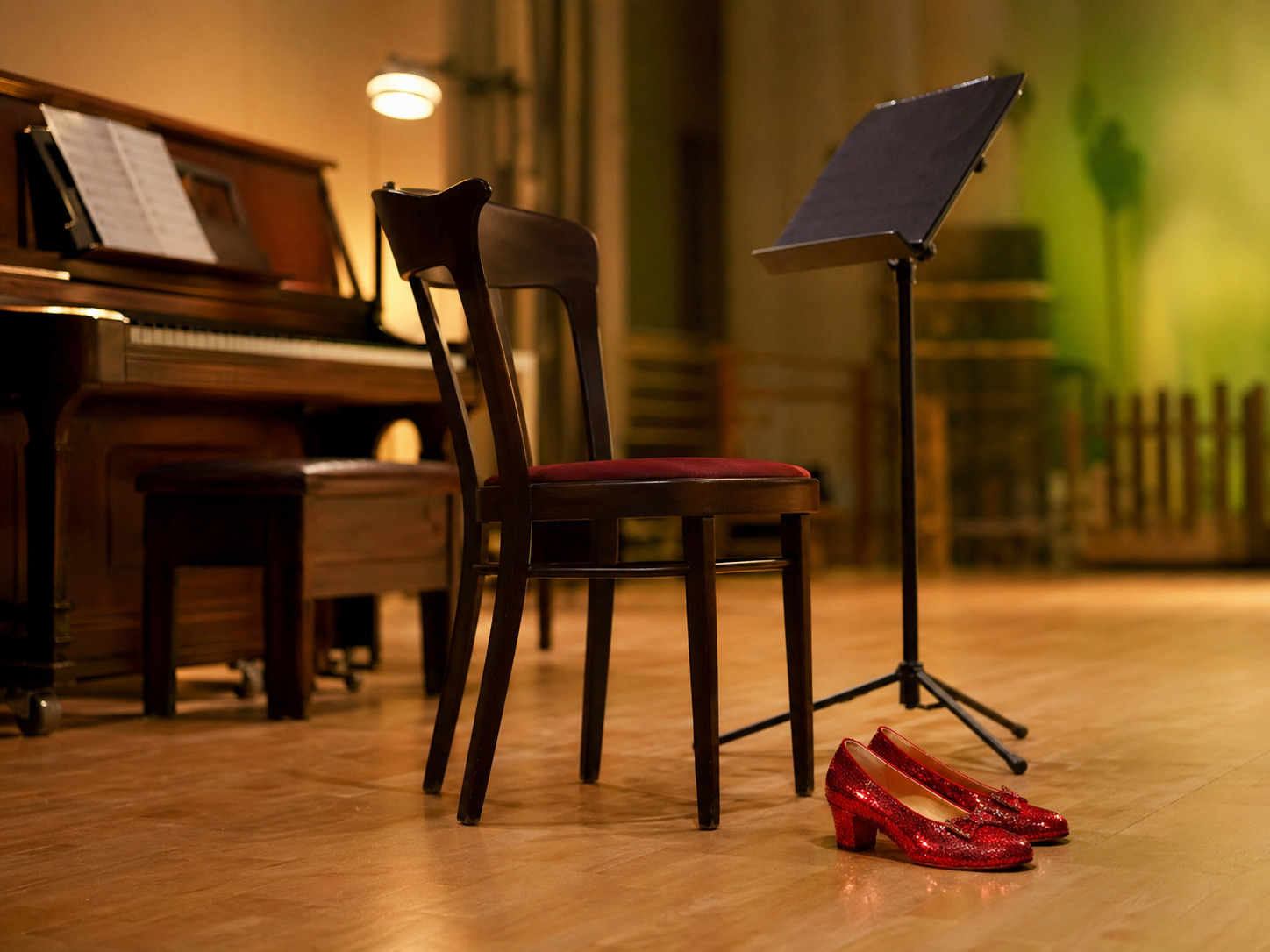
The Wizard of Oz benefits from separating learning tracks from performance tracks. Early in the process, guide vocals can help actors lock melody, entrances, and lyric rhythm. Once those basics are stable, switch to accompaniment tracks so singers stop leaning on the reference voice.
A simple rehearsal plan works well:
- Week one: learn melodies with guide vocals and mark breath points.
- Week two: rehearse solos with accompaniment tracks and check tempos.
- Week three: add movement while keeping the same track references.
- Tech week: run with performance tracks only, using clear starts and consistent cues.
For younger casts, this structure reduces panic. Students know what they are responsible for at each stage, and directors can hear problems before they become habits.
Common production challenges
The biggest challenge is pacing. The show can feel slow if transitions sag, but it can also feel shallow if every scene is rushed. Music helps solve that. Entrances, vamps, and underscoring should feel intentional, not like filler.
Another challenge is vocal fatigue. Dorothy sings often, and ensemble numbers can be energetic. Choose keys that keep voices healthy, especially for school productions. If a phrase consistently sounds strained, solve it early with coaching or a custom key rather than hoping adrenaline will fix it later.
Finally, keep the fantasy grounded. The audience believes Oz because Dorothy believes it. Let the score support wonder, but keep the acting specific.
Quick answers directors often ask
Is The Wizard of Oz a good school musical? Yes, especially for programs that need strong ensemble opportunities, familiar material, and flexible staging.
Should performers practice with guide vocals or accompaniment tracks? Use guide vocals first to learn the melody, then move to accompaniment tracks for auditions, rehearsals, and performance preparation.
Rehearsing Oz? Use Broadwaytrax guide vocals and accompaniment tracks to keep every cue, entrance, and key change clear.
Browse Wizard of Oz TracksWhat makes a strong Wizard of Oz audition cut? Clear storytelling, steady rhythm, age-appropriate tone, and a cut that shows character rather than only range.
The Wizard of Oz endures because the music still feels personal. Every production asks the same question in a new way: what does home sound like to this cast? When the tracks, tempos, and vocal choices are steady, the answer can feel fresh every night.