Preparing for College Musical Theatre Auditions: A Psychological Approach
By Broadwaytrax Content Studio · November 30, 2025
Updated December 2, 2025
You wait outside the door. Your heart thumps, and your hands feel warm. This is normal. It means your body is ready to perform. The key is to guide that energy so your story stays clear when it counts.
This article focuses on the mental game you can train right now. These tools help with prescreens, Unifieds, and on-campus callbacks. They turn nerves into useful fuel, making your choices repeatable.
Calm Your Body
Start with your body. A calm body gives you a steady voice. Use HRV breathing. You breathe slow and even, about six breaths per minute. Try five minutes a day. Add 60 to 90 seconds right before you slate. This lowers stress and helps your singing technique. A study shows that this kind of training can reduce anxiety meaningfully (Psychological Medicine).
If you sing with music, add a two-bar count-in to help set your breath. Inhale on one and exhale on two. Step into the first phrase with purpose.
Reframe Your Nerves
Next, change the story you tell yourself about nerves. The rush you feel is not danger; it is energy. A simple reframe helps: "I am excited to share this story." Say it right before you slate. Pair it with a clear objective for your first beat. Research shows that calling nerves excitement boosts your confidence and performance (Get Excited (JEP: General)).
Focus Outward
Aim your attention out, not in. When we get tense, we often think too much about our body parts. Instead, think about the listener or the space around you. This helps create a more natural performance. Label each beat of your cut with a target and a tactic. Practice with your eyeline set and a live track so your eyes and voice work together.
Build a Routine
Create a short routine you can repeat anywhere. Ninety seconds works. Breathe at your pace. Use cue words for each beat. Establish your eyeline and say your first goal. Make if-then plans for unexpected situations. For example, if they ask for a new key, I take a breath and sing the final line in the new center.
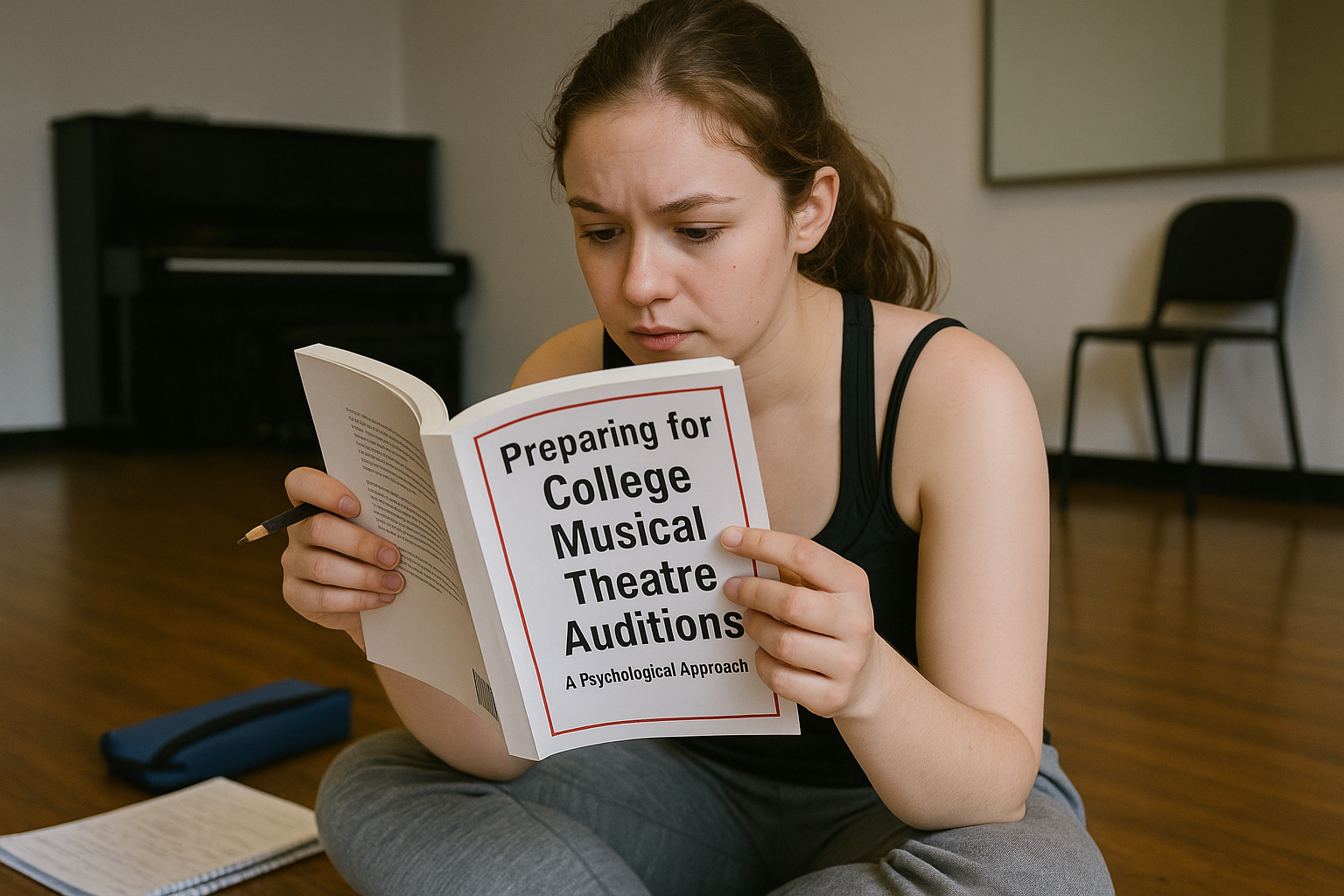
Imagery Matters
Use imagery that matches your real task. Think PETTLEP: same place, timing, and emotion. Wear your audition shoes as you practice. Visualize your audition space. Feel the emotions you want to convey. Do two 60-second imagery reps right after practicing.
Talk to Yourself
Shape your self-talk. Keep it short and active. Use phrases like "Send the thought" or "Land the name." If you stumble, respond with compassion. Acknowledge the mistake, take a breath, and name the next action.
Practice Smart
Design your practice for the audition format. For prescreens, use a two-take rule: record two full takes and choose the best one. After each take, take a 30-second breath break and do an imagery rep. Write clear stopping rules to minimize decision fatigue.
In live auditions, be flexible. Expect notes and stops. If the panel speaks during your cut, respond calmly and stay warm.
Choose the Right Repertoire
Select songs that are easy to perform. Choose pieces that have clear actions and fit your voice well. Avoid songs that push your vocal limits too much. Aim for pieces that let you tell your story with clarity.
We’ll build a track that supports your mental game for
Start a Custom ProjectPractice with Your Tracks
Use a two-bar count-in and practice slightly slower or faster tempos. This helps you adapt if needed. Focus on finishing your performance cleanly. A strong finish shows confidence.
Measure Your Progress
Before you start, rate your nerves on a scale from zero to ten. After you finish, rate again. Track your progress and take notes. Focus on one area to improve next time. You can train your mind and body for auditions. In Fall 2025, many singers will sound good. The ones who stay calm and clear will stand out.