Jekyll and Hyde Rehearsals Need a Track Plan Before Tech
By Broadwaytrax Content Studio · May 22, 2026
Updated May 22, 2026
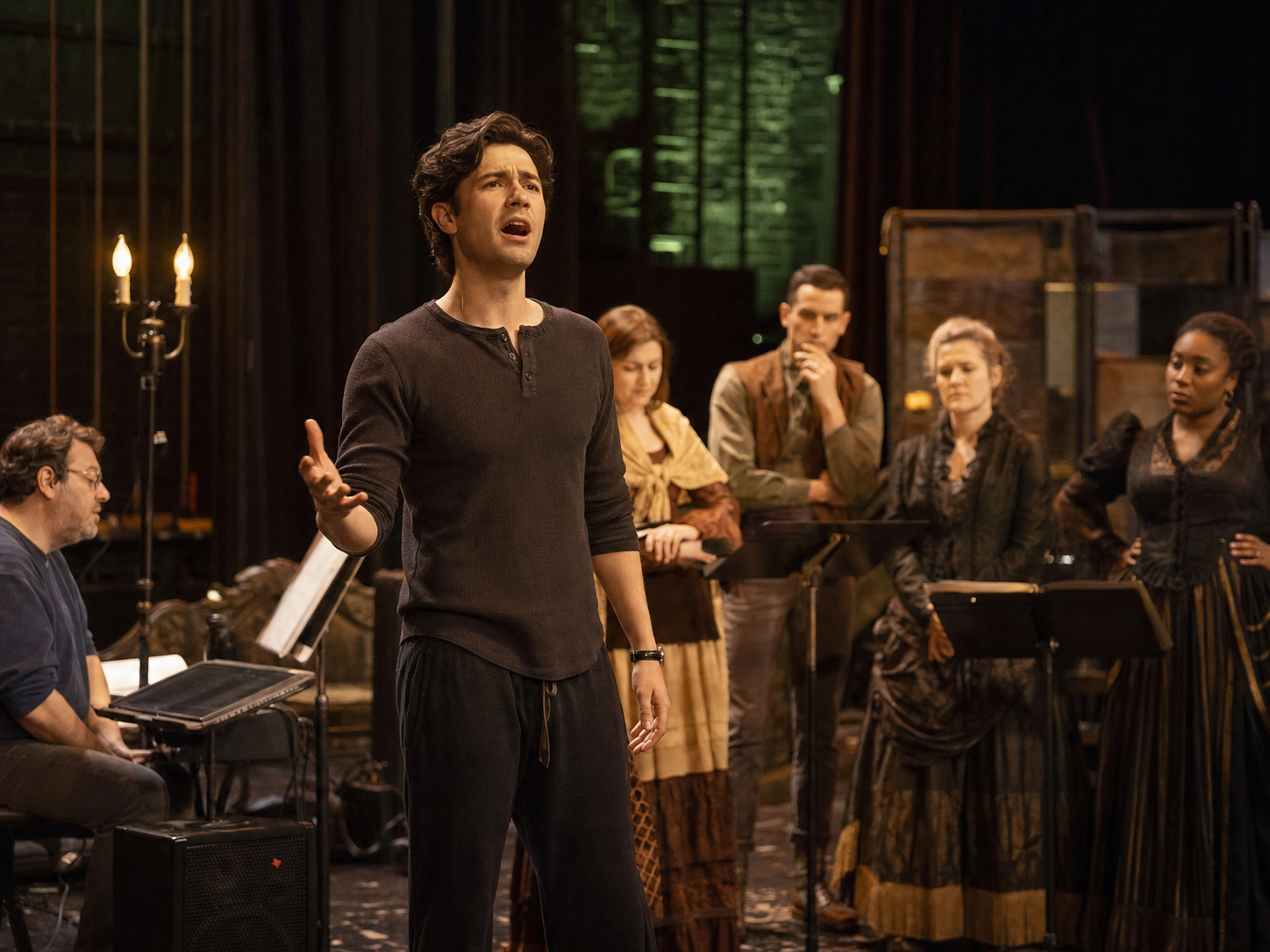
Jekyll and Hyde is one of those scores that can sound settled at the piano and still become fragile once the room starts moving. The ballads need space. The ensemble music needs clean entrances. The transformations need a reliable pulse. By the time tech arrives, the cast should not be guessing where the track breathes, where the vamp ends, or how much time they have before the next line.
For schools, community theaters, and small professional productions, a track plan is what keeps the score from turning into a nightly rescue mission. The goal is not to make the show rigid. The goal is to give singers, directors, choreographers, and operators a shared map before the pressure of lights, costumes, and scene changes hits the room.
Bring "Jekyll and Hyde Rehearsals Need a Track Plan Before Tech" to life with custom tracks
Get the exact arrangement you need—either customize an existing accompaniment or commission a bespoke build from our team.
Don't see this show in our library yet? We'll build it for you.Start with the vocal moments that carry the show
A Jekyll and Hyde rehearsal plan should begin with the songs that expose timing, breath, and stamina. "This Is the Moment" needs a track that supports the singer without dragging the phrase. "Someone Like You" and "Once Upon a Dream" need room for storytelling without losing the accompaniment. "Alive" and the transformation material need a dependable cue structure so the performer can commit physically and vocally.
When those moments are only rehearsed with live piano, the room can get used to tiny accommodations that will not exist in playback. A pianist may follow the actor through a pause, stretch a transition, or cover a late entrance. A track will not. That is why the cast needs to learn the exact track behavior early enough to make it musical instead of stressful.
Use guide vocals as a learning layer
Guide vocal tracks are especially useful when the score has dense lyrics, sustained phrases, and dramatic entrances. They let singers hear the melody, rhythm, cutoff, and phrase shape before switching to accompaniment-only tracks. That matters for a score where character work and vocal placement are tied together.
Use guide vocals during early music calls, individual review, and at-home practice. Then phase them out intentionally. A simple progression works well:
- Learn the melody with the guide vocal.
- Sing with the guide vocal at rehearsal tempo.
- Switch to the accompaniment track while keeping the same breaths and cutoffs.
- Mark any cue, cut, or key issue before staging locks.
That last step is important. If the track needs a longer intro, cleaner ending, or different key, it is better to discover that before the production calendar is full of choreography and tech notes.
Build a cue sheet before the first run-through
Jekyll and Hyde can feel episodic if the music team treats each number as a separate file with no transition plan. A cue sheet fixes that. It does not need to be complicated, but it should be specific enough that the stage manager, sound operator, music director, and director can all work from the same information.
A useful cue sheet includes:
- The exact track title and version.
- Whether the track is guide vocal or accompaniment only.
- The first audible cue and who starts singing after it.
- Any vamp, pickup, blackout, or dialogue lead-in.
- The final button, cutoff, or fade.
- Notes about scene changes, choreography, or props that happen under music.
For a show with dramatic transitions, this turns backing tracks into production support instead of just audio files. It also gives the operator a practical reference when the rehearsal room becomes noisy.
Watch the endings, not just the starts
Most rehearsal rooms spend a lot of energy on entrances. That makes sense, but endings can cause just as many problems. Does the singer hold through the final chord? Is there a button that needs stillness? Does dialogue come immediately after the track? Does the next scene need silence before the operator starts the following file?
In Jekyll and Hyde, endings often carry the emotional weight of the number. If a track cuts off before the actor has completed the moment, the scene can feel rushed. If the room waits too long, the pace drops. Mark endings with the same care as entrances.
Decide where custom edits are worth it
A catalog track is the right starting point when it matches the singer, staging, and rehearsal flow. A custom edit becomes useful when the production has a real mismatch: a key sits too high after a long scene, an intro needs a clearer lead-in, a dance break needs a clean cut, or a cue needs more time for a costume or set move.
For Jekyll and Hyde, the most common custom-track conversations are practical rather than decorative:
- Key changes for singers carrying demanding dramatic songs.
- Cuts that match the licensed script and production version.
- Tempo adjustments where staging needs a steadier pace.
- Added count-offs, lead-ins, or cue tones for operators.
- Clean endings for scene transitions and blackouts.
If you are staging the musical, keep show rights and track-use permissions as separate planning items. The production license gives permission to present the show. The track license covers use of the sound recording. Handle both before the performance calendar is locked.
Rehearse the playback setup like part of the cast
The track plan is only useful if the playback setup is reliable. Test the device, speakers, mixer, file order, and backup plan before the first full run. Do not wait until tech week to learn that a file name is unclear, a speaker distorts, or the operator cannot see the cue sheet.
A strong run-through habit is simple: call the cue, play the exact file, finish the moment, and make one note if anything felt unclear. Over time, that creates a show file list that reflects the production instead of a folder full of guesses.
FAQ: Jekyll and Hyde backing tracks
Can a school rehearse Jekyll and Hyde with backing tracks?
Yes, backing tracks can support music rehearsals, staging, and performance preparation when the school also handles the separate theatrical performance rights for the show.
Should singers use guide vocals or accompaniment tracks?
Use guide vocals while learning melody, rhythm, entrances, and phrasing. Move to accompaniment tracks once singers can hold the line independently and need performance-style rehearsal.
What should be customized first?
Start with keys, cuts, tempo, entrances, and endings. Those choices affect singers, staging, operators, and the rehearsal calendar more than small cosmetic changes.
Is one track list enough for rehearsal and performance?
Usually not. Early rehearsals may need guide vocals and repeats. Performance should use the final accompaniment-only files in show order, with clear cue notes and backups.
Browse Broadwaytrax Jekyll and Hyde accompaniment tracks, then request custom keys, cuts, tempos, or cue edits when the rehearsal plan needs to match your cast.
Browse Jekyll and Hyde TracksThe takeaway
Treat the tracks as part of the production plan, not a last-minute replacement for a pit. Choose the right versions, mark the cues, test the playback setup, and adjust keys or cuts before tech week forces the issue.