How Diverse Storytelling Is Changing Broadway Production Choices
By Broadwaytrax Content Studio · February 4, 2026
Updated June 3, 2026
A rehearsal room buzzes with excitement. A director leans in. An actor sings in a language new to the stage. It lands. The room smiles. In 2026, this isn’t just a fun moment; it’s the plan.
Broadway is changing. Producers are focusing on stories that share different cultures, LGBTQ+ lives, disabilities, and multilingual homes. This isn’t just about doing what’s right. It’s a way to grow. Talks about awards and upcoming shows get attention, but the real change is happening in the schedules and who is hired. The goal is simple: tell true stories and invite the people who need them back time and again.
The numbers show why this matters. The AAPAC Visibility Reports show record levels of diversity in onstage casting after the pandemic, although progress is slower for writers and directors (AAPAC). If the onstage experience seems fresh but the people behind the scenes don’t match, the work can feel hollow. In 2026, many are pairing inclusive casting with diverse creative hires. This means hiring cultural experts and translators early in the process. The final result harmonizes with the performances on stage.
On the business side, audience research helps too. The Broadway League gives essential data on attendance and demographics that producers use to gauge demand (The Broadway League). The pattern is clear: when a show connects with a new audience, the whole audience grows. To support this reach, new access programs make it easier for first-time visitors. Discounts for groups and educational materials help audiences feel welcome.
Recent awards sent a strong message about specific stories. A Strange Loop won the Tony for Best Musical and the Pulitzer Prize. This showed that a deeply personal, Black queer voice can resonate broadly (The Pulitzer Prizes). This caught the interest of investors. Kimberly Akimbo, which focuses on disability, also won Best Musical soon after. These successes signal that creative, character-focused work can thrive without relying solely on stars or well-known titles. More shows now call for flexible music and options for a variety of instruments. This demand will impact what opens and tours well into 2026.
Several key shifts stand out in programming. New works are showcasing stories about Filipino families, Black queer experiences, and immigrant journeys that weave through languages. The music blends pop, R&B, hip-hop, and rock with traditional theater elements. Multilingual lyrics aren't just an addition; they’re crucial to the plot. This inviting sound opens up auditions to actors and musicians with diverse backgrounds, encouraging audiences to bring their families.
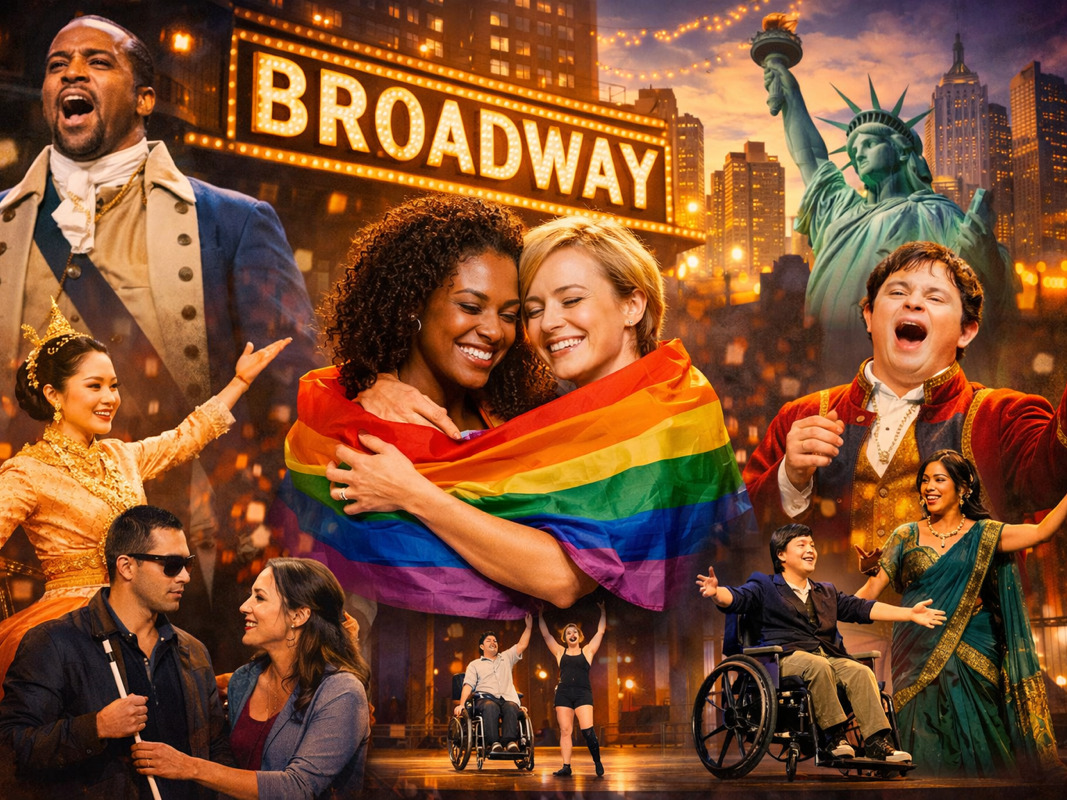
To match this, box office practices are evolving. The pricing strategy is carefully considered, allowing room between discount and standard rates. Access performances are planned early rather than at the last minute. Events like ASL interpretation and sensory-friendly shows are scheduled with marketing efforts to help reach the right audiences. When a show is culturally specific, outreach begins well before opening. This includes school matinees and collaboration with cultural organizations.
There are also lessons from shorter runs. Some shows might start strong but lose momentum. Timing is often key. If audience education does not begin until after reviews, the energy fades. Cultural support is also important; without it, trust can erode. Solutions include budgeting for cultural consultants early and getting community partners involved weeks before previews. Training front-line staff in culturally relevant service can make new audiences feel welcome.
Artists are adapting too. Actors with personal experience in bilingual dialogue or disability are in demand. Musicians who can explore music styles beyond traditional orchestrations add value. Music departments need tools that ensure authenticity while keeping things running smoothly. Flexible arrangements and options for different keys are key. When using style-specific instruments, hiring musicians who know that sound isn't optional; it’s essential.
Students are feeling this change in classrooms. They want to work on pieces that reflect their lives. Choosing those stories is just the beginning. Educators need to create lesson plans that thoughtfully explain the cultures represented. Invite local artists for discussions and ensure performances are accessible for all families. When students see themselves both on stage and in the audience, it inspires them.
Building an inclusive season? Commission custom tracks that honor your show’s sound.
Start Your ProjectAs 2026 unfolds, producers will monitor awards, box office numbers, and audience feedback. Those figures will influence future productions and tours. The direction is clear: diversity isn't just an initiative. It’s central to Broadway’s future. Theaters that focus on authenticity and connect with the communities they represent will succeed.
For many, this change is personal. We remember the first time a show felt familiar. Experiencing stories that resonate gives a sense of belonging. Broadway is committed to creating more of those moments. The effort can be challenging, but it is also joyful. When a story strikes a chord, everyone feels the music.