How Broadway Musical Arrangements Support Performers
By Broadwaytrax Content Studio · December 7, 2025
Updated May 23, 2026
In a quiet studio, ideas come to life. A melody appears on the page. With careful planning, that melody transforms into a full track that carries a story. This process is called arranging, and it’s a vital but often unseen part of music production.
As the season progresses, the pressure mounts. Awards shows require quick medleys, while auditions demand precise cuts. Schools and theaters face tight deadlines for their spring performances. The plan behind the music is crucial; it ensures that a show shines on stage and on screen.
On Broadway, three key roles often work together: the arranger shapes the music's form and key; the orchestrator decides which instruments play what; and the music director guides the band and singers, creating the right feel. These roles interact frequently, sharing ideas and files to make the music come alive. The American Theatre Wing describes how a simple piano-vocal sketch evolves into a complete score through teamwork, emphasizing that the story always comes first (American Theatre Wing).
Building a Broadwaytrax Track
We start our work by focusing on the story. We map out key moments: where emotions peak, where jokes land, and where transitions happen. Knowing the target runtime and confirming vocal ranges helps us create tracks that fit perfectly into their intended setting. We also collect technical details, such as audio equipment and cue requirements, to streamline the process.
Next, we tackle key and tempo. We ensure that singers can hit their highest notes comfortably and plan for breath breaks. The tempo map includes built-in pushes and slowdowns to support choreography. For medleys, we establish smooth transitions so the changes feel musical.
Form and Feel
When arranging a short TV spot, we focus on keeping the catchy hook, a short verse, and a strong lift. We trim long introductions and ensure the ending feels good for both the audience and cameras. This technique mirrors what’s done in studio albums, ensuring clarity for listeners.
After establishing the form, we select our orchestration. Starting with a template that fits the show's theme, we may add elements such as strings or percussion to enhance the sound. It's essential that the music supports the on-stage action without overwhelming it.
The Music Prep Process
Music preparation is critical. We ensure that parts are clear, with all necessary markings, so recording sessions run smoothly. Typically, we record the rhythm section first and layer in other instruments afterward. Our preparation echoes the quick workflows seen in cast albums, where efficiency is key due to tight time constraints.
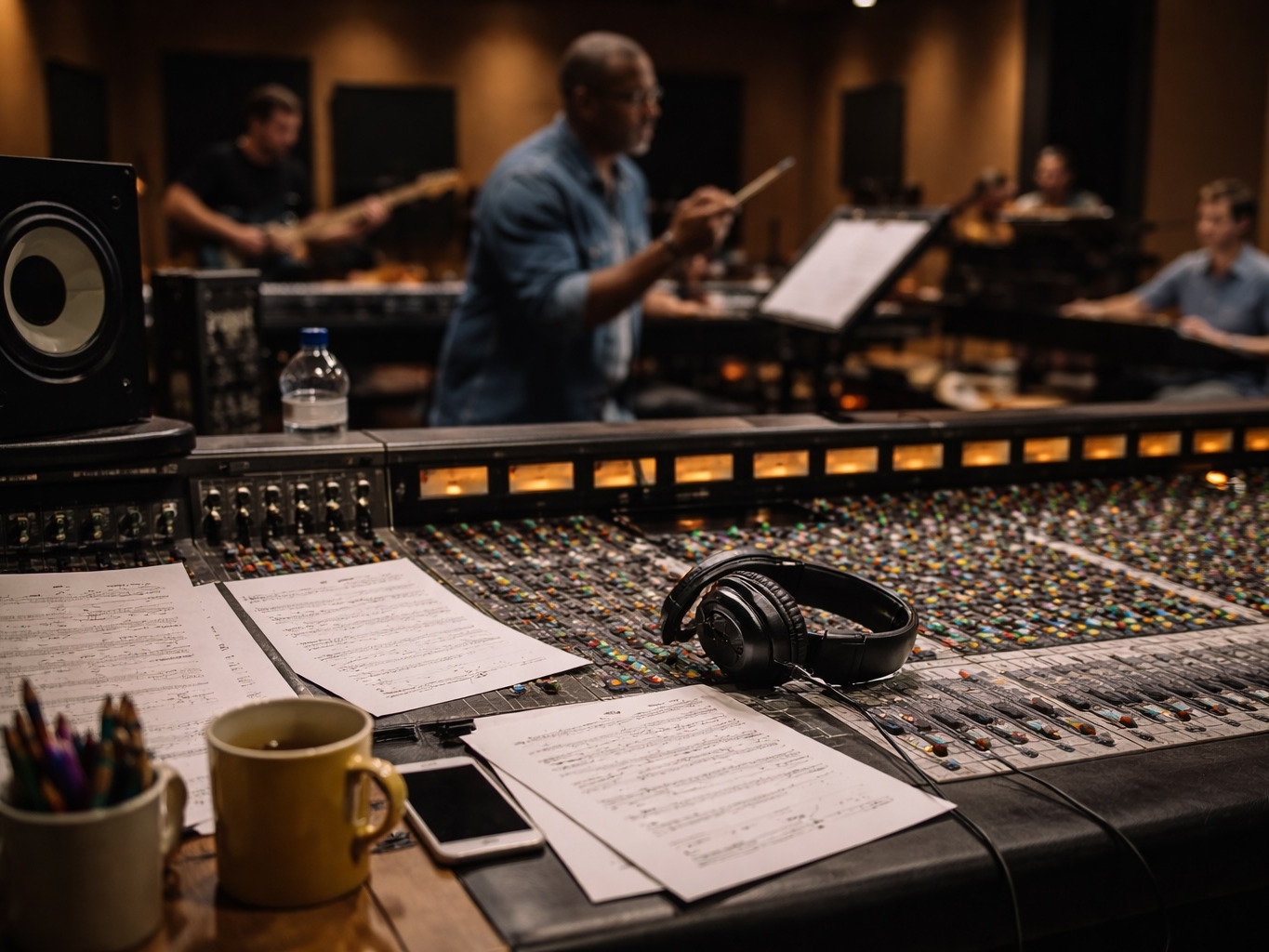
Mixing is where everything comes together. We balance the voice against the instruments and provide mixes suitable for various settings, including stems for different instruments. This flexibility allows sound engineers to adapt the tracks to different environments.
Case Study: Creating an Awards Medley
For example, we recently created a 90-second awards medley from three songs. We listened for common musical motifs and set a tempo with shared transitions. Adjustments were made to showcase a particular key moment at just the right moment, ensuring that the final product feels cohesive rather than disjointed. This process illustrates the essence of effective arranging.
Learning from Cast Albums
Broadway cast recordings often happen in short, intense sessions. Teams do extensive planning to ensure everything flows efficiently. We apply that mindset to our tracks, emphasizing preparation to enhance our final products.
Different Needs, Different Files
Different performances require different file types. For rehearsals, clear signals and guide vocals are essential. In a tour setting, clear file names and compatibility with show control are crucial. Schools may need simplified arrangements, while TV spots require careful attention to loudness levels and cue labeling.
The Future of Arranging
New tools, like AI, help with tasks such as tempo detection, but we prioritize ethics in our work. We respect licensing and ensure human creativity remains at the forefront of our arrangements. All of our tracks are hand-crafted and meticulously performed by real musicians and music programmers.
Need a 90-second awards medley, a broadcast-ready key change, or a custom 16–32 bar cut?
Start Your Custom ProjectWhether you're a performer, educator, or part of a production team, communicating your needs early on can simplify the process. Testing tracks on the equipment you'll use during performances can help ensure success on big nights.
Today, we stepped into the engine room of Broadway music. Arranging is not just craft; it’s about maintaining the story's heartbeat as it moves into performance. That’s why we love this work, and why it’s so important now.