The Art of Arrangement: How Broadwaytrax Tracks Come to Life
By Broadwaytrax Content Studio · November 29, 2025
Updated December 2, 2025
A singer steps into a small room. A single speaker, a water bottle, and a track are all that’s there. When the first note hits, everything changes. This transformation doesn’t just happen by chance. It’s the result of many thoughtful choices made before anyone presses play. This is the art of arrangement.
Our team creates tracks to make stories come alive. We work in many spaces: prescreens, live auditions, classrooms, concerts, and full shows. This job mixes creativity and practicality. We don’t just copy old albums; we craft versions that feel fresh while honoring your favorite songs.
Understanding Roles
Let’s start with the team. The arranger decides on the music's structure, including key, groove, and form. The orchestrator picks instruments and blends their sounds. Both roles are crucial and distinct.
From Brief to Blueprint
Every project begins with a brief. We ask how you’ll use the track and how long it needs to be. Is it a 16- or 32-bar cut for auditions? Is it for a full classroom piece or a concert medley? We examine the reference version you like and note any key parts you want to keep. This streamlines our work and keeps the story clear.
We also check rights. A simple cover is easy. But if we change the key, make a medley, or alter harmonies, we may need permission. This helps us design a track that fits legally (U.S. Copyright Office).
Building the Musical Frame
We start with the key. It should highlight strong notes and feel safe. If we move to a new key, we ensure signature sounds remain intact. For example, if a brass fanfare is essential, we adjust so that it still feels thrilling in its new range. Honesty and impact are our goals.
Next, we focus on form. For short cuts, we maintain full harmonic cycles and clear endings. We avoid interruptions in modulations or incomplete thoughts. The end should feel like a complete statement, even in a brief segment.
Tempo Design
Tempo is where story meets music. Some tracks need space to breathe. We create vamps and holds that let you shape the timing. Other tracks need to be precise for choreography. We design both options, labeling vamps and safeties clearly in the PDF, so a music director or stage manager can use them easily.
Choosing Color
We honor classic sounds, like a signature guitar riff, but also modernize the rhythm section. A contemporary kick drum can lift the track while keeping its original style. Pads can support vocals without sounding heavy. For smaller setups, we use smart doubling strategies. Layering woodwinds can thicken a line, and octave support can enhance the sound without cluttering it. Our goal is balance, not excess. This aligns with how pros view color and texture in orchestration.
Adding Human Touch
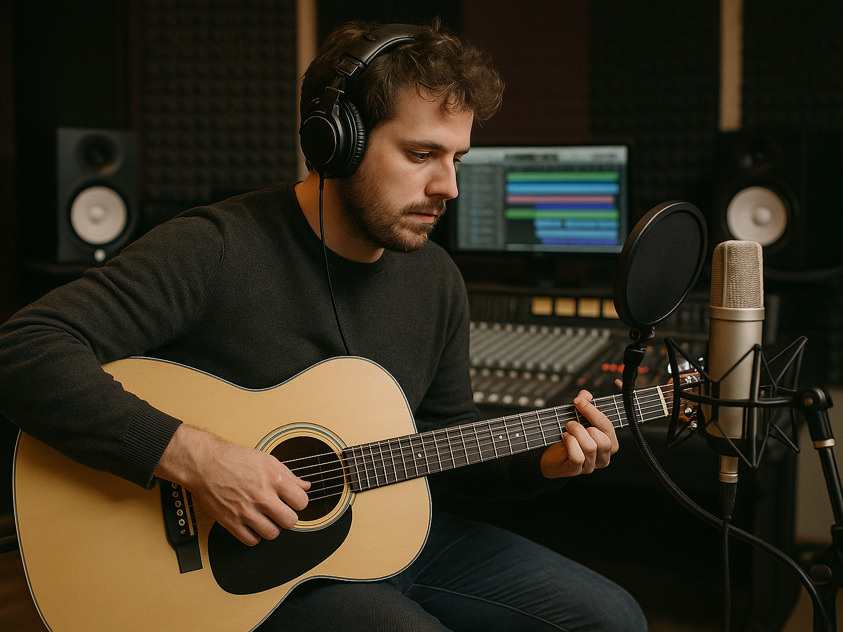
Some tracks need a human touch. We often mix high-quality samples with live performances. A real saxophone bends notes in a way samples can’t replicate. A solo violin adds heart. We place these touches where they matter most.
Recording Process
Recording is a team effort. We begin with a guide track, building parts in layers. We choose the best takes and edit for a tight groove. Before the music starts, we print a count-in on a separate bus so it doesn’t interfere with the main sound. When necessary, we add a slate for easy indexing during rehearsals. This keeps everything calm, even when busy.
Mixing for Theatre
Mixing for live theatre differs from mixing for recordings. We maintain dynamic range, ensuring your voice stays prominent while sound effects don’t clip. Good practices from broadcasting show why loudness consistency is key. We listen on in-ears, rehearsal monitors, and front-of-house systems to ensure it works everywhere.
Deliverables Matter
We provide a full mix, with options for or without a click track and count-in. We also create stems for rhythm, harmony, and melody so music directors can balance sounds. We prepare alternate buttons and tags for timing. Additionally, we export a tempo map PDF that includes bar numbers and cue words. We match sample rates and bit depths to your playback gear, usually at 24-bit WAV. Proper documentation reduces stress.
Case Studies
Here are two examples from recent builds. In one case, we needed a warm, classic ballad cut down to 32 bars. We kept a waltz feel and moved the key down for healthy high notes. The texture shifted to piano and guitar, and we included a two-bar vamp to allow the singer some space. The final button included a sixth note to maintain a classic yet modern feel.
The second case involved a dance-call medley with different keys and tempos. We introduced a common backbeat to unify them. Only the click bus shared a one-bar count-in. Loopable eight-bar vamps were included, marked in both the DAW and PDF, so that stage managers could adjust on the fly. Dancers fit perfectly into the groove.
Continuous Collaboration
Collaboration doesn't stop. We share early versions with music directors for feedback on breath and story. Choreographers often want slight adjustments, which we incorporate into the tempo map. We check lyrics against the track for clarity and prepare backup files to keep the process smooth.
Looking to shape a 16- or 32-bar cut for auditions?
Start Your ProjectHow You Can Help Us
You can assist us by sharing your highest safe pitch for climactic moments. Let us know which lyrics are must-haves. Provide the reference that best shows your desired groove. Indicate if you'd like a two-bar or four-bar count-in and if you prefer a version without a click. These small details make a big difference.
This process isn’t just about creating noise. It’s about making a structure that serves the story. Classic songs can wear a modern coat without losing their essence. With attention to key, form, tempo, color, and mix, a track does more than keep time. It brings you to where your voice and the room become one.